


The 2026 Startup Insurance Stack in Hong Kong


Connect with us


Further Reading



05 March 2026
How Insurers Price Business Insurance: A Plain-English Guide to Premium Drivers
Read moreRunning any company in Hong Kong in 2026 means operating in a high-velocity, high-density business environment; where even small, single incidents can become expensive disputes, or disrupt fundraising, hiring, partnerships, and even the organization’s ability to operate.
These concerns become magnified when considering a startup company, where an error or risk can have a far bigger impact when realized compared to bigger, more established entities.
The goal of “startup insurance” planning is not to amass the greatest number of coverages, or to collect policies for their own sake, but rather to create a comprehensive stack of overlapping insurance plans that protects the things that truly matter to a company. As such, it is important to understand your business and look at insurance options that cover your people, balance sheets, continuity, and contracts while ensuring balance with both your internal risk appetite and budget.
Around the world, startup companies in any industry tend to share a number of factors that make insurance concerns feel both urgent and confusing at the same time. Things like a dependence on small leadership teams or single decision makers, rapid changes and evolutions of a business model, and a contracting footprint that expands faster than internal controls and oversight all contribute to give a different set of concerns for startups purchasing insurance verses older businesses. Further to this, in Hong Kong these startup specific exposures sit alongside more traditional local risks like compact workplaces, an ecosystem of outsourced services, and a commercially sophisticated business culture where vendor acceptance and tender processes often require evidence of related insurance protection.
All of this can contribute to making the insurance journey for any startup company in Hong Kong feel extremely daunting; in many cases there are too many risks, and too many options for cover.
So, what is the first step to be taken?

Start with what Hong Kong Law Requires: EC Cover
If you are a startup commencing your insurance journey, then the obvious first stop is the coverage required under Hong Kong law.
If the company employs any staff, in any capacity, no matter what industry that business operates in, under Hong Kong law and the Employees’ Compensation Ordinance (Cap. 282). all employers in Hong Kong must obtain an insurance policy to cover against the employer’s liability towards workers suffering work injuries in the routine course of their employment. This regulation and requirement apply irrespective if the employee is part-time, full-time, permanent, or temporary.
It is critical to understand that Employees’ Compensation Cover, also known as Employer’s Liability Insurance or Worker’s Compensation Protection elsewhere in the world, is not optional in Hong Kong. Founder may sometimes erroneously assume that a small headcount, or flexible employment arrangements, mean that that they are exempt from the EC requirement.
This is false.
Failure to obtain the Employee Compensation coverage required under Hong Kong law can mean steep legal penalties. The requirement for EC Insurance coverage is universal for all employers in Hong Kong.

Public Liability Protection; Injuries are Costly
Once the foundational protection of Employees’ Compensation Insurance is in place, the next core layer of coverage for many Hong Kong startups is Public Liability Insurance.
For a wide range of businesses, the most common early-stage third party exposure is not a product defect, or negligence claim. No, the most common third-party exposure for most young companies is “slip, trip, spill, or drop” events that result in a bodily injury, or damage to a third-party’s property. In a city like Hong Kong, where meetings can happen in shared offices, co-working locations, coffee shops, client premises, or even pop-up retail locations, third party accidents are not rare.
When a claim situation arises, the severity can quickly escalate when legal representation fees, medical costs, and even business disruption considerations come into play.
It is important to note that this type of insurance is not a mandatory purchase under Hong Kong law, but Public Liability Insurance is frequently placed in contracts for things like office rentals.
Landlords, property managers, co-working operators, and event venues often require proof of liability insurance protection before letting out their space; sometimes requiring specific limits or specific policy wordings as a condition of occupancy.
A startup company that plans to hold in-person demonstrations, client workshops, community events, or which will have customers come onto their premises should considering Public Liability Insurance as a business facilitator, as much as a risk-transfer mechanism, and should ensure that the scope of any Public Liability policy purchased aligns with actual company activity. This includes things like off-site work, temporary office spaces, and hired or rented equipment.

Professional Indemnity; Protection for your Services
Many modern startups sell their expertise and not a “product.”
From website design, software coding, management and services consultants, accountants, and even insurance brokers, there are myriad businesses which do not sell a “thing” but which nonetheless have massive exposure to allegations of financial loss following errors, omissions, negligence, or failure to meet contractual specifications.
For business and startups advising clients, in any capacity, Professional Indemnity Insurance becomes a central pillar in their risk management stack.
Professional Indemnity Insurance, also known as Professional Liability Insurance or even Malpractice Insurance, can be a critical purchase in Hong Kong’s fast paced B2B ecosystem. This type of coverage is particularly needed for tech agencies, fintech service providers, marketing and analytics firms, SaaS teams, and even recruiters.
Professional Indemnity Insurance products can vary widely in the way they deal with contractual liability, technology services, and the boundary between cyber insurance and professional negligence events. The practical approach to managing this type of cover is through mapping your revenue streams and existing contract language to the insurance policy’s terms, conditions, and retroactive date.
Cyber Insurance; Digital First Protection
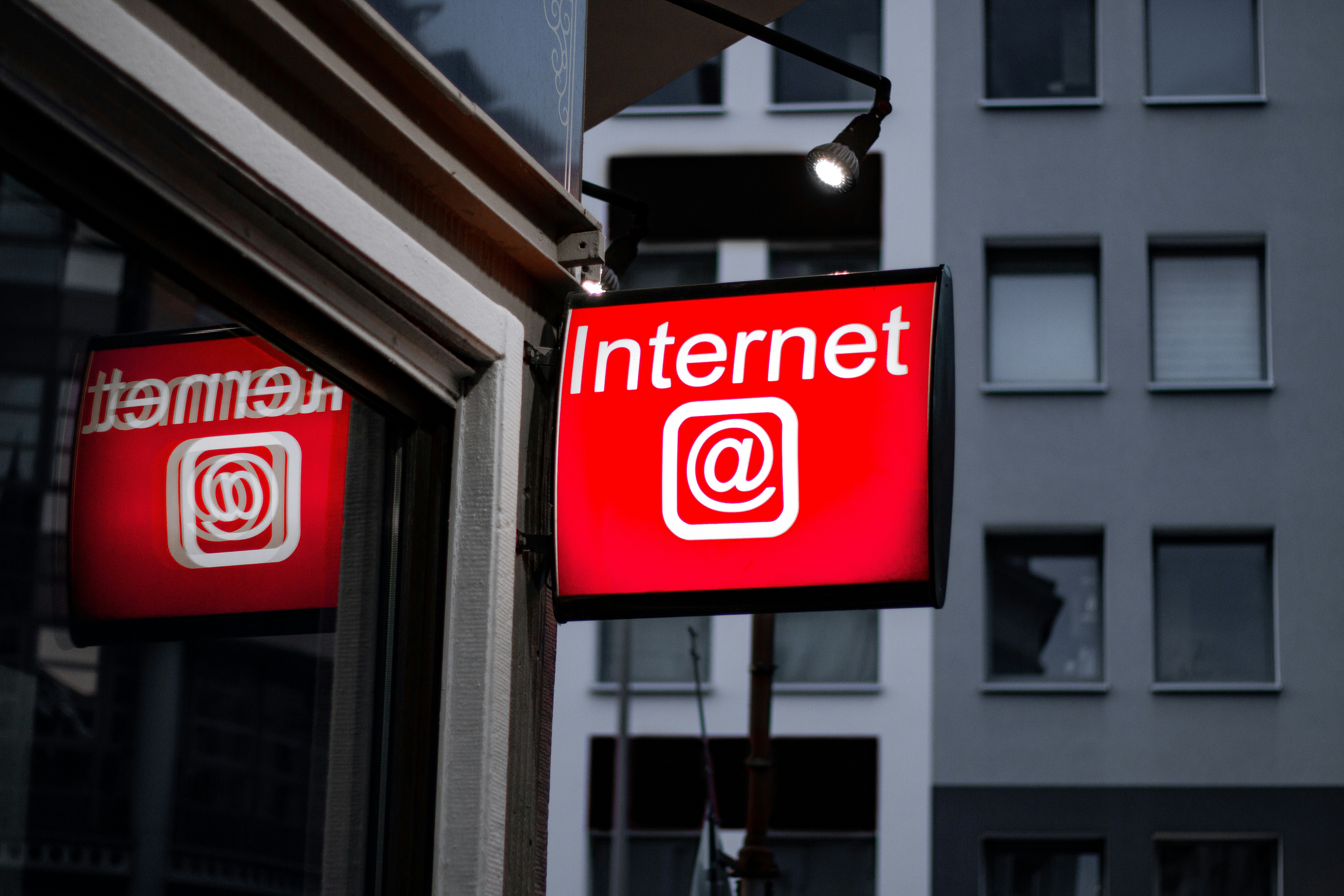
As businesses continue to increasingly rely on the internet, cloud systems, payment rails, communications platforms, and third-party digital vendors, a company’s digital exposure should be treated like a balance sheet risk.
This is especially true for startup companies.
A recent insurance survey of Hong Kong SMEs reported that the number of businesses experiencing cyber events was at 11% in 2024 and 2025. This may not seem high, but in truth poses a massive concern given that smaller organizations are more significantly disrupted and impacted by a cyber event.
Cyber Insurance in a startup insurance stack offers a combination of incident response and business interruption protection; this type of insurance can often cover the costs associated with things like forensic investigations, breach responses, data notification requirements, and even ransom or extortion payments depending on the policy wording.
It is important to be aware that the regulatory environment in Hong Kong is tightening in relation to cyber risks. A new cybersecurity law will come into force in 2026 with stringent requirements for risk assessments, independent digital audits, and incident reporting. Even if a startup company is outside the scope of the law, they may be impacted if they offer services to regulated organizations in sectors including finance, healthcare, or communications.
Cyber Insurance underwriting in 2026 normally expects basic controls be in place, including things like multi-factor authentication and resilient backup procedures. Any startup who relies heavily on the internet for its every day operations will likely see the financial value of a cyber insurance policy increase when it is treated as part of a holistic incident response framework rather than a standalone purchase.

Contents Insurance; Physical Protection for your Property
Underestimating the impact of your property and equipment exposures is one of the biggest mistakes made by many startup companies in Hong Kong. This is often because they do not own a factory, make goods, or otherwise have a traditional retail footprint.
However, this overlooks the concentration of risk in a modern office.
Laptops, printers, coffee machines, microwaves, test devices, demo units, specialized cameras, point-of-sale equipment, and even prototypes often represent a significant portion of a young company’s assets. If something happens to those assets, whether they are stolen or damaged accidental by water, the impact on the business can be immediate and catastrophic.
Office Contents Insurance protects the things in your workspace, including the equipment you are using, and can often provide limited coverage for business interruption events; where a covered loss continues you from working normally.
While office burglaries are a rare occurrence in Hong Kong, they do happen and can severely impact you if you are not prepared.

Building your Startup Insurance Stack
The most straightforward way to build a Hong Kong startup insurance stack in 2026 is to sequence your policy purchases in the following order:
- Legal Compulsion
- Contractual Access
- Existential Risk
As previously mentioned, Employees Compensation Insurance is normally the first insurance purchase made by any company, as this is a legal requirement under Hong Kong law as soon as you start to employ staff.
From there it is a case of analyzing your operations and mapping your risks.
Public Liability Insurance will normally follow an EC purchase, as this type of coverage supports the access of your premises and any day-to-day third-party exposures you experience.
Professional Indemnity, or Errors and Omissions, protection becomes essential as soon as you are put in a position where a client can make an allegation of negligence or loss.
Cyber Insurance should be an early consideration for internet-first businesses because a single cyber event can halt your operations while exposing you to repercussions from the tightening regulatory environment.
What keeps this approach efficient is the ongoing management and calibration of your insurance covers internally. Startup companies are often fast paced environments of frenetic development who cannot wait for an annual renewal to evaluate their emerging risks. The insurance stack you have built should be reviewed each time you hire a material or key employee, when you sign new enterprise contracts, handle sensitive outside data, launch a physical product line, or even expand internationally.
The end goal is to create a coherent portfolio, where each policy in the toolset has a clearly defined purpose with limits to match plausible loss scenarios, and policy wordings to reflect how startups are actually operating in Hong Kong in 2026.
This can be confusing, but CCW Global is here to help.
For more information about startup coverages, or to see how we can make your insurance Swift, Simple, and Sorted, Contact Us Today.