


Fine Art Insurance in Hong Kong: Protecting Collections That Never Stand Still

Connect with us


Further Reading


When people say the words “fine art” that is probably going to evoke certain imagery. A painting by an old master hanging in a private residence, a sculpture sitting inside a climate-controlled room, a rare print that has been flat stored, framed, and carefully cataloged in an archive.
While these scenarios can accurately describe “fine art,” for many collectors in Hong Kong the life of their artwork is actually far more active. Pieces may be acquired through a gallery, transported from overseas, moved between homes, displayed at private events, sent to specialist restorers and appraisers, loaned out for exhibition, or even be prepared for resale.
While the value of art may be stable on paper, the artwork itself (especially in a city like Hong Kong) is often in motion. Consequently, any discussion regarding Fine Art Insurance in a city like Hong Kong becomes more expansive than simple fire or theft considerations.
The risk is not simply that something may happen to an item in your collection while it is hanging on a wall, or sitting on a bookshelf, the greater exposure often emerges during the transition of collectables and art from one “safe” space to another. Even if your collection spends the majority of its time in a secure location, packing, handling, shipping, temporary storage following an emergency, valuation updates, home relocations, and cross-border movements can all become serious concerns in terms of risk.
For serious collectors, Art Insurance should not be a secondary consideration; it should be a core part of the collection as a whole.
Hong Kong’s Art Market is Dynamic
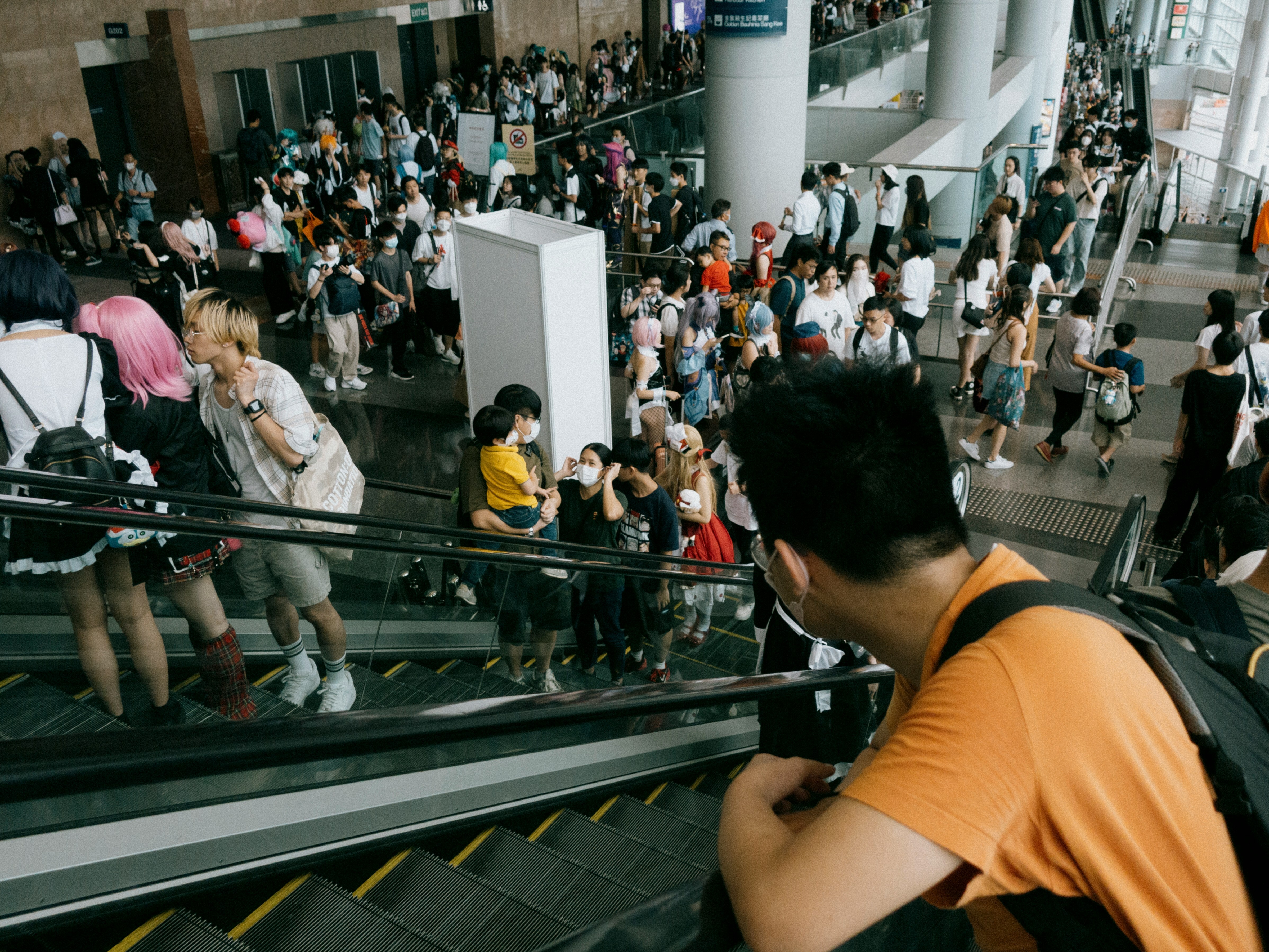
Hong Kong is one of Asia’s biggest, and most important art markets – a “nexus” for moving high value, quality pieces. The city’s free-port status, international logistics infrastructure, low-friction trade environment, and location between China and the rest of Southeast Asia, has seen HKSAR become a natural base for galleries, high profile auctions, art fairs, private collectors, and art-focused family offices.
In this environment, artworks and collectibles rarely remain static assets; they are cultural objects, investment items, family holdings, and design statements.
In a world where art and collectables are easily tradable, and often appreciate in value, Fine Art and high value collections could even be viewed as mobile banks; storing value and able to be moved at a moment’s notice. Mobility is part of Hong Kong’s appeal as a center for art collecting. With events like Art Basel and the Affordable Art Fair, and regular auctions held by both Sotheby’s and Christies, collectors can access international artists and brands, regional galleries, and specialist storage and logistics services in a single city.
However, it is important to realize that all the features which make Hong Kong so attractive to collectors can also create a more complex risk profile for collections. For example, an artwork could be physically located in Hong Kong, purchased from a gallery in Europe, owned by a British Virgin Islands company, and stored temporarily before installation in its permanent home. Each stage of this process introduces questions and concerns that a standard Home Contents Insurance policy may not be able to answer, or solve, in a satisfactory manner.
When Your Art or Collection is Most at Risk: Transit
When you are a collector, you tend to invest in the visible forms of protection.
Secure residences, 24-hour security and controlled access, discreet storage, professional installations, and high-quality custom framing. These precautions matter, but losses can still happen when an item leaves a controlled environment; no matter what preventative steps you may have taken.
Simply taking a new piece of art, or a new collectable, home with you can expose to myriad transit concerns; vibrations, mishandling, temperature changes, humidity shifts, custom delays, misrouting, and incomplete handover procedures are all serious issues that could irreparably damage an expensive collectable or artwork. Even a simple trip across Hong Kong, from Central to Stanley can be meaningful from a risk perspective, and full of concerns, if the work in question is fragile, oversized, newly framed, or made from sensitive contemporary materials.
As such, transit cover can be one of the most important considerations to a collector when it comes to a Fine Art and Collections Insurance policy. In modern Hong Kong, it simply is not enough to know that a collection is insured while its at your home; you should be able to have clear understanding whether cover applies when an artwork is being packed, loaded, transported, unpacked, installed, or held temporarily by a third party. The wording of any art insurance policy you consider matters, because the “ownership” of risk can become muddied when multiple parties and specialists are involved in a loss.
A gallery, shipper, framer, storage provider, or restorer may each have their own responsibilities when it comes to moving your items, but their cover may not align neatly with your expectations.
This becomes even more of an issue, and more important to get a handle on, when artworks or collections are moved across international borders. Cross-border transits or shipments adds increased documentation, valuation, timing, jurisdiction, and customs considerations. A collector may assume that their item or artwork is protected by an insurance policy from the moment of purchase, but assumptions can lead to nightmares.
When looking at Fine Art insurance ensure that the policy is clear about coverage from the point at which responsibility of the work transfers to another party, through the entire journey of the piece, until it reaches its intended destination in acceptable condition.
Art Basel, Private Sales, and Event-Based Art Exposures
Hong Kong’s status as an international art market and hub means that the city gets more than a few high-profile Art events every year, which reinforce the need to think about art and collections as mobile assets.
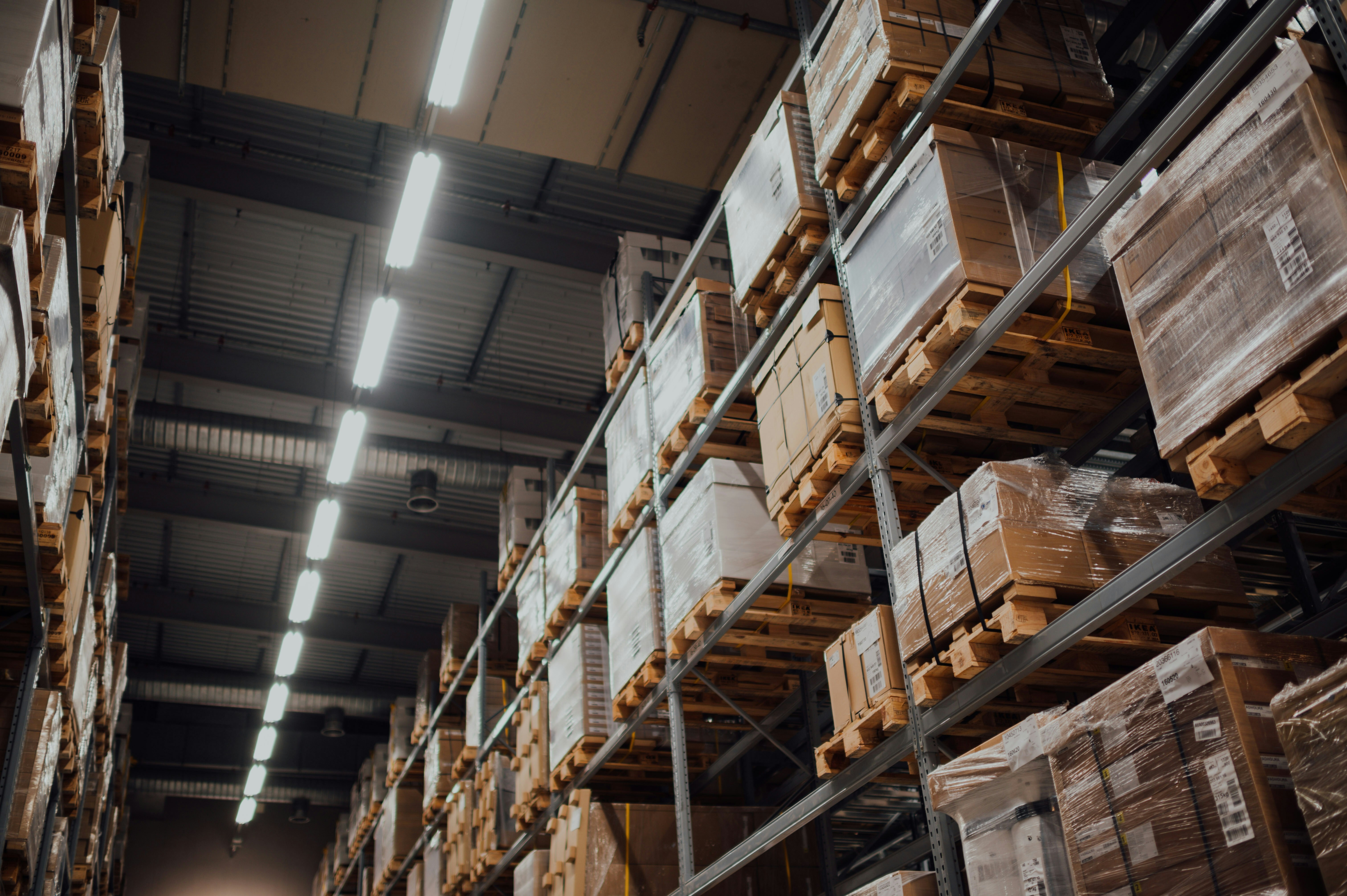
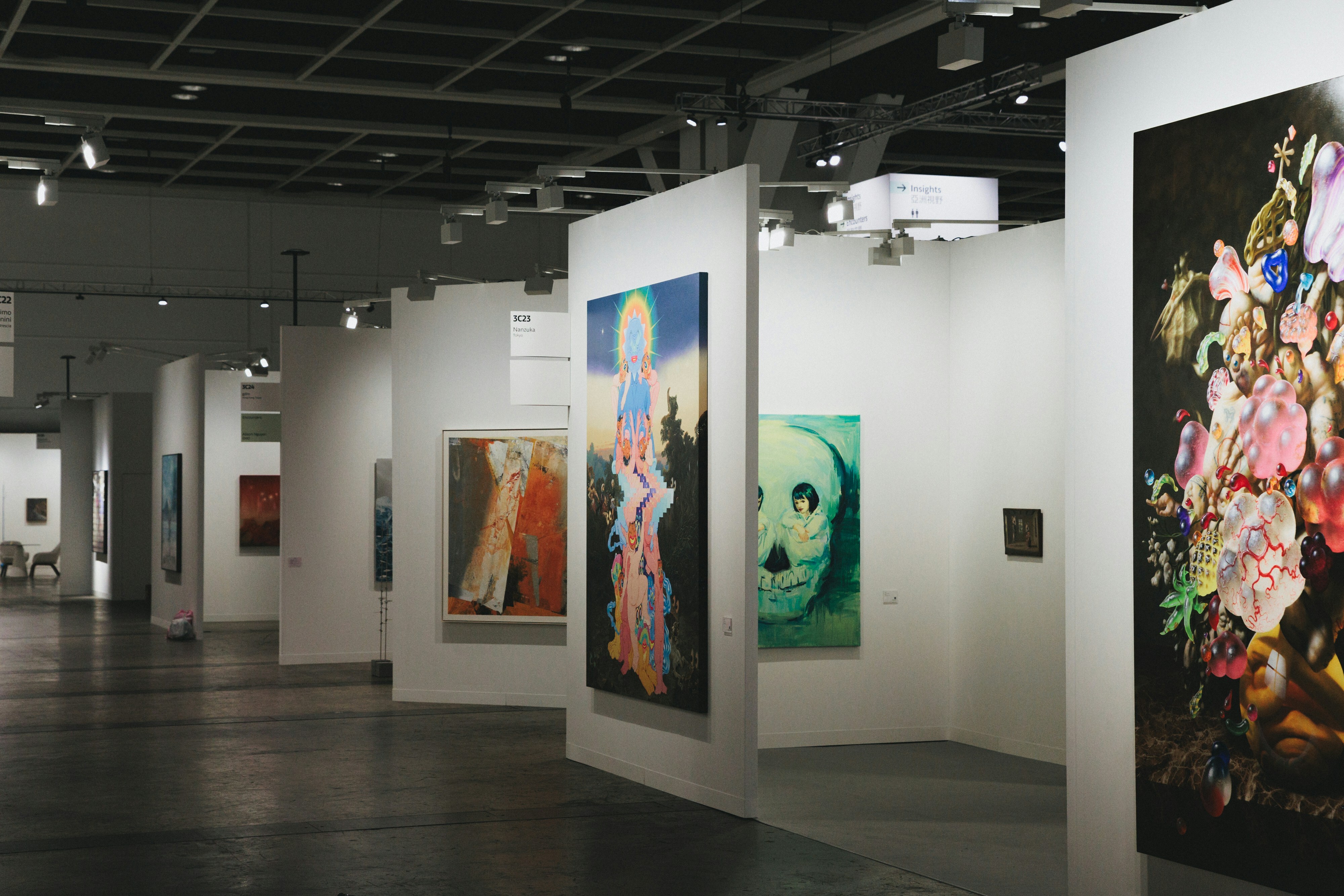
Major art fairs, gallery weekends, previews, auctions, exhibitions, and private sales all see valuable works of art move, around the city and even around the world. Art Basel Hong Kong’s 2026 edition featured 240 galleries from 41 countries and territories, with myriad works of art coming into the city. For collectors, that concentration of opportunity and large number of options can compress decision-making, acquisition, payment, shipping, and installation into a short period of time.
It can also create a particular type of Art Insurance exposure that normally isn’t considered under most Home Insurance products. A collector may purchase an artwork during a fair and arrange delivery quickly, or may ask for the piece to be held, reframed, shipped, and installed after the conclusion of the event. This situation, where the excitement of acquiring a brand-new piece for a collection can run ahead of the administrative details, a number of questions can appear.
The artwork may have been paid for, but has cover attached to the new owner’s collection insurance schedule? Has the valuation been documented? Has the condition report been reviewed? Is the work covered while it remains with the gallery or while it is passed to a shipper? If the piece is one of several new acquisitions, has the collector’s total insured value changed materially?
All these questions, and their answers, can significantly impact any current or future Art Insurance policy you may hold. However, a well-structured art and collection insurance policy should anticipate the rhythm of purchasing products, and anticipate the answers with a clearly set out schedule of cover. In Hong Kong, collectors often purchase new additions for their collections across jurisdictions and through multiple diverse channels. New acquisitions, temporary holdings, exhibition movements, and fair-related logistics issues should be considered before they become costly emergencies ending in a loss.
The aim of a quality Art Insurance policy is not to slow down collecting, but to make sure that the insurance coverage keeps pace with the way your art is actually bought and moved.
Climate, Humidity, and Hong Kong Storage
Anyone who has ever been to Hong Kong knows the weather is very real. From the sweltering heat and high humidity, through to typhoons, floods, and even landslides, the climate in HKSAR adds another layer of important considerations to any fine art or collections insurance conversation.
For many types of art, the damage caused by climate in Hong Kong is not always sudden or dramatic. It can develop through gradual changes in materials; canvas, wood, paper, textiles, adhesives, varnishes, metals, and mixed-media components may respond differently to moisture and temperature. High humidity can encourage mold, swelling, corrosion, staining, and other forms of deterioration, while sharp fluctuations in temperature can place stress on materials that expand and contract.
This is particularly relevant for collectors who keep their items in private residences, secondary homes, offices, or storage facilities. A luxury apartment may be secure, but security alone does not guarantee appropriate conservation conditions. Air-conditioning operation, window exposures, plumbing leaks, building construction, and stormwater runoff can all affect the environment around a collection. For pieces stored away from the collector’s main residence, the quality of the storage arrangement becomes just as important as the art insurance policy itself.
Art and Collections insurance is a component of protecting your items, along with good security and environmental control practices (where needed). Collectors should maintain updated inventories, professional valuations, photographs, invoices, condition reports, and installation records for all the items in their collection. Collectors should also know whether their art insurance policy addresses damage from water, flood, accidental breakage, mold, restoration costs, depreciation after repair, and the specialist expenses involved in conservation after weather or climate damage.
In Hong Kong, where climate and density can combine to create unusual property risks, the details of storage and environmental responsibility under your Art or Collections Insurance policy deserve careful attention.
”Art” Is Not Just Paintings
In the modern world it is important to realize that almost anything can be collected and that collections are evolving beyond traditional paintings and artworks.
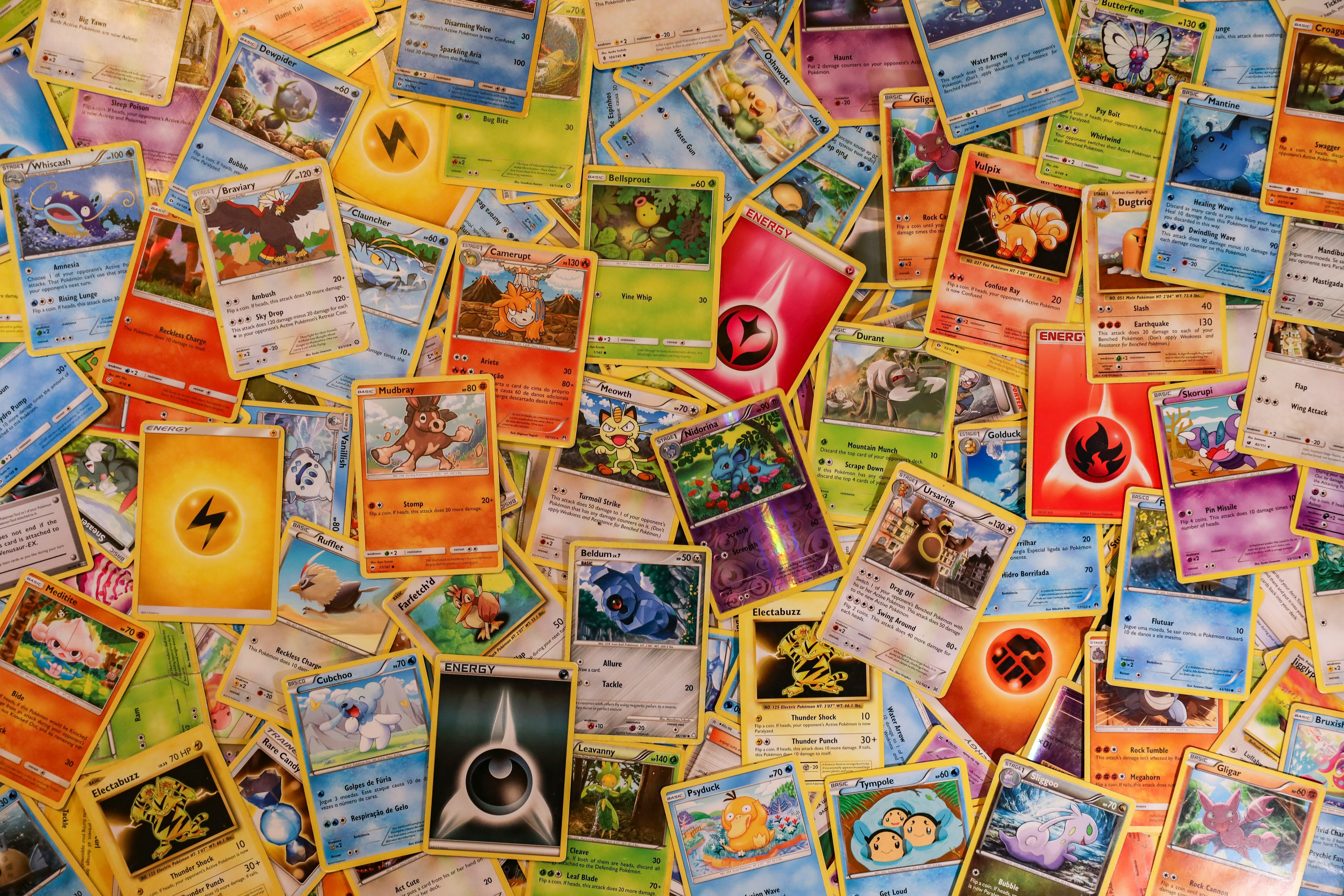
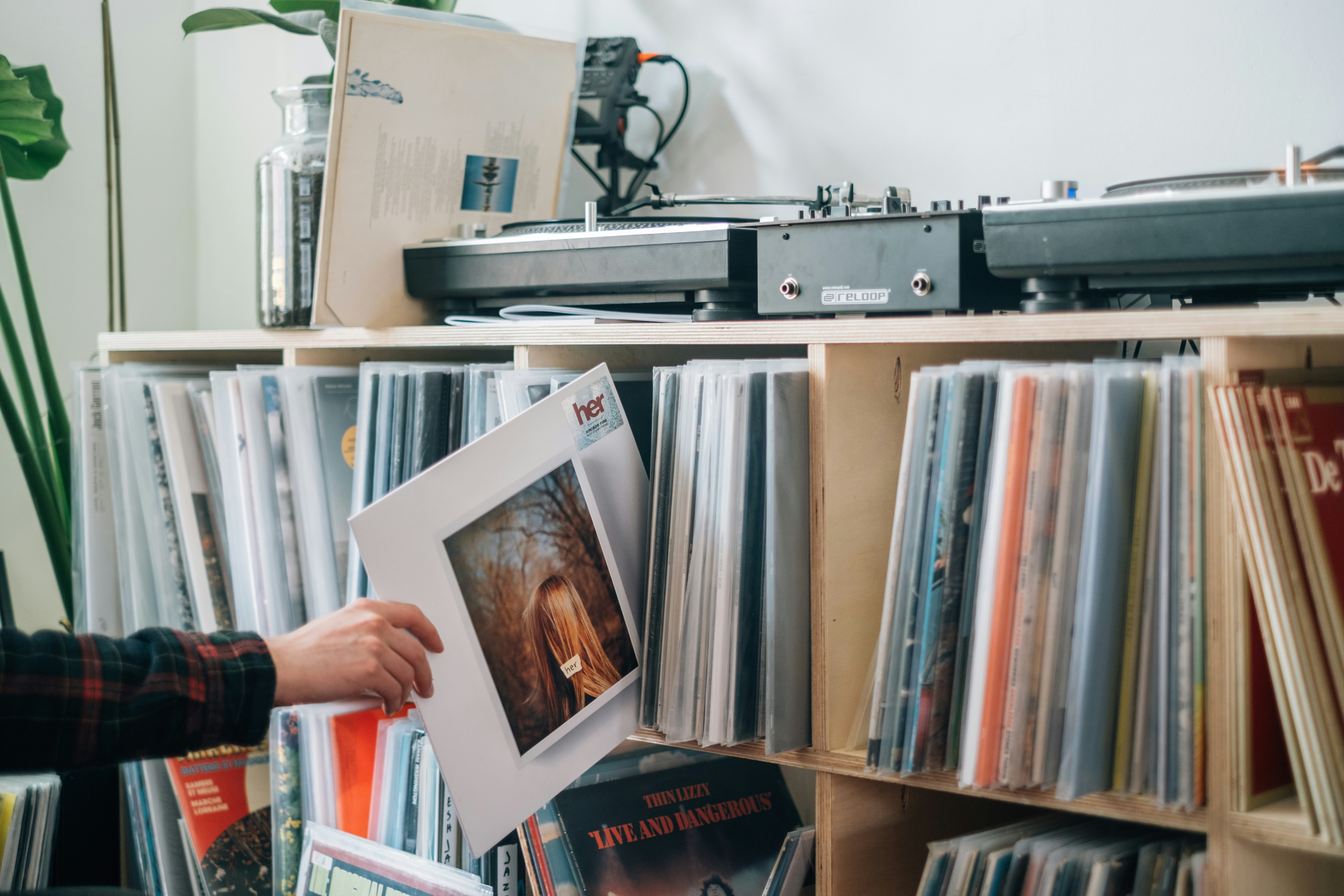
While many Hong Kong collectors will still acquire paintings, sculpture, ceramics, antiques, jewelry, and other traditional items, contemporary collections increasingly include installation art, design objects, photography, digital components, limited-edition collectibles, trading cards, fashion archives, artist-designed furniture, and works that rely on software, screens, sound, lighting, or specialist fabrication.
These assets do not always behave like traditional fine art, and they may not be valued, stored, repaired, or authenticated in the same way.
This creates a subtle but important challenge for art insurance.
A conventional description of “fine art” may not capture the true nature of a modern collection. A mixed-media work may require installation instructions, replacement components, artist certificates, technical files, or maintenance records. A digital or time-based work may depend on hardware, software, display specifications, or licensing documentation. A collectible object may derive part of its value from packaging, edition status, provenance, condition grading, or cultural relevance. If the insurance documentation is too generic, the collector may face uncertainty when trying to prove value or restore the work after damage.
A stronger approach may be to insure the collection according to how value is actually created.
For some works, the artist and provenance drive value. For others, condition, rarity, edition number, completeness, or market demand may be decisive. As collecting habits broaden, art collection insurance in Hong Kong needs to be flexible enough to protect the object, the documentation, and the context that gives the piece its value.
Art Valuation Is Constant
Fine art insurance depends heavily on valuation, but when it comes to art valuations very rarely remain static.
The global art market returned to growth in 2025, yet that recovery was uneven, with different regions, price segments, and categories moving at different speeds.
Hong Kong’s internationally oriented market is especially exposed to changes in global demand, currency movements, buyer confidence, cross-border activity, and collecting trends. A valuation that was appropriate several years ago may no longer reflect current replacement cost, market value, or the cost of sourcing a comparable work.
This matters because underinsurance can be just as damaging as having no specialist cover at all. If a collection has appreciated, expanded, or shifted into higher-value categories, old schedules may create a gap between the collector’s expectations and the art insurance policy’s actual response. On the other hand, if certain market segments have softened, collectors may want more clarity about how agreed value, market value, depreciation, and restoration after damage are treated.
Regular valuation reviews are therefore a core part of responsible collection management.
For active collectors, this may mean updating insurance schedules after major acquisitions, auction results, inheritance events, relocation, or significant changes in the artist’s market. For established collections, it may mean commissioning periodic appraisals and ensuring that supporting documents are stored securely.
The objective is to make sure the insurance policy reflects the collection as it exists today, not as it looked when cover was first arranged.
Home Insurance Is Not Enough for Fine Art
A common mistake is assuming that high-value art is automatically protected under a standard home insurance policy.
Some home insurance policies may provide a degree of contents cover, but fine art often requires more precise treatment especially if it holds a high value. Valuable works may exceed standard limits, require itemized schedules, need worldwide cover, or involve risks that general contents policies were not designed to address. The difference is not only about the amount insured, it is also about how the policy understands art as a specialist asset.
A dedicated fine art insurance policy can be structured around the realities of collecting.
It may address agreed values, newly acquired items, pairs and sets, restoration costs, depreciation after repair, transit, temporary locations, professional storage, exhibition loans, and worldwide movement. These are not minor technicalities. They are the mechanisms that determine whether a collector receives a practical response when a valuable work is damaged, lost, or compromised.
For Hong Kong collectors with multiple residences, international lifestyles, or cross-border collections, this distinction is especially important. The collection may not sit entirely in one home, one city, or one country. A policy should be able to follow that reality. The more valuable, mobile, or complex the collection becomes, the more important it is to move beyond generic contents protection and consider specialist art collection insurance.
Fine Art and Collections Insurance in Hong Kong
When it comes to art and collectables the question is not “has the collector insured their art?” but rather “does the art insurance actually reflect the life of the collection?” Understanding all aspects of the collection, and the non-standard risks it may face, will help you to better identify suitable coverage solutions.
Start with the following questions:
- Where is the collection located?
- How often do items or artworks move?
- Who handles the collection?
- If items are moving, are they professionally packed?
- Is the collection kept in suitable environmental conditions?
- Are valuations current?
- Are new acquisitions automatically protected?
- Are documents complete?
- Are works covered while with a gallery, restorer, framer, warehouse, or shipper?
- Does the policy respond to the type of art actually being collected?
And then build the policy that best meets your needs.
This approach turns fine art insurance from a passive safety net into an active part of collection stewardship. It recognizes that a collection is not just a list of objects and values, rather it is a living portfolio of cultural, personal, and financial significance.
In Hong Kong, where art moves quickly through homes, galleries, fairs, warehouses, and borders, that distinction matters.
CCW Global works with clients in Hong Kong, and elsewhere across the Asia Pacific region to arrange specialist art and collections insurance that reflects the value, location, movement, and complexity of high-value personal collections.
For collectors who are acquiring, relocating, storing, or reassessing fine art, the right policy should do more than protect what is already on the wall. It should protect the journey of the collection itself.
For more information, or to speak directly with an expert Art Insurance Broker, Contact Us Today.
Ask CCW – where your insurance is always Swift, Simple, and Sorted.